
A cowboy theme usually gets approved fast. The challenge comes later, when the event has to satisfy a finance lead, give sales teams something useful to host around, and keep guests engaged for more than the first photo opportunity.
That is why this theme still works in the corporate market. It is instantly understood, flexible across venue types, and broad enough to support client entertainment, staff socials, incentive events, exhibitions, and branded activations.
Execution decides whether it lands.
Too many Western events stop at props. Hay bales, barrels, saloon signage, and bandanas set the scene, but they do not carry a corporate audience through a full programme. Business guests need a reason to move, compete, watch, and talk. They also need options that suit different confidence levels. Some will join a staged challenge immediately. Others will engage more comfortably through lighter game mechanics, hosted stations, or structured team formats.
The stronger approach treats the cowboy theme as a delivery vehicle, not just a décor style. That opens the door to timed competitions, hosted entertainment, measurable engagement points, and modern tech such as simulators, reaction games, interactive scoring, and virtual experiences. The Western brief gives the event a clear identity. The production design and activity mix give it staying power.
For event managers, that creates useful flexibility:
- A traditional saloon look can support modern interactive gaming.
- Frontier storytelling can sit alongside branded team challenges.
- Rustic styling can frame high-throughput entertainment that handles large guest numbers.
- Competitive formats can be customized for networking, lead capture, or internal team building.
The commercial case is strong as well. Corporate buyers are putting more weight on events that feel participative rather than purely observational, as noted earlier in the BVEP report. Cowboy theme parties fit that shift well because the format can support spectacle and guest participation at the same time.
The ten ideas below focus on professional execution. They are built for corporate audiences, realistic venue operations, and stronger guest engagement than a décor-led Western party can deliver on its own.
1. Wild West Saloon Experience with Interactive Gaming
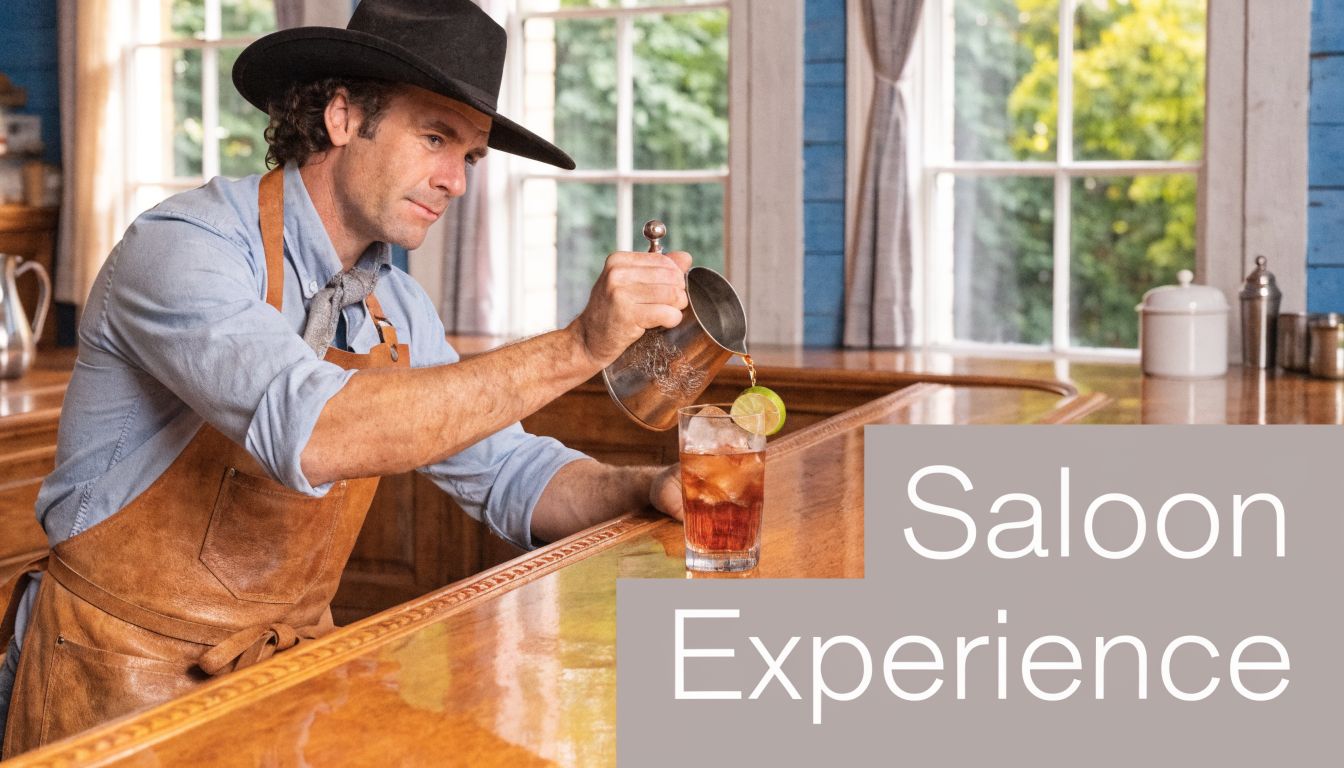
Guests step into the room, spot the bar, hear the piano track, and know how to use the space within seconds. That clarity is why the saloon format works so well for corporate cowboy theme parties. It gives the event an immediate social centre without asking guests to commit to heavy role play or over-scripted interaction.
For professional delivery, the saloon has to do more than look convincing. It needs to carry footfall, support conversation, and keep energy up across the full session. The best version combines Western set dressing with modern interactive play, so the room works as both a hospitality environment and a high-throughput entertainment zone.
Design the saloon as an active zone
A strong layout gives guests three clear reasons to stay in the room:
- A bar that anchors the space: Put drinks service where it naturally draws traffic and creates a meeting point.
- Visible interactive gaming: Use reaction walls, digital target games, or branded simulator stations where spectators can gather quickly.
- Programmed live moments: Schedule short hosted challenges, stunt cameos, or character-led interruptions that reset attention every 15 to 20 minutes.
That mix matters. A saloon with only décor becomes a photo backdrop. A saloon with structure becomes part of the event programme.
Use technology without breaking the theme
Corporate execution usually separates itself from DIY styling in these instances. The technology has to fit the brief, but it also has to justify floor space and queue time.
Good options include:
- Virtual shooting galleries with Western graphics and timed scoring
- Reaction games that work for quick head-to-head contests
- Racing simulators reframed as wagon chases, outlaw pursuits, or frontier delivery runs
- Mechanical features that create a visual focal point, such as mechanical bull hire for Western-themed events
The trade-off is simple. The more cinematic the theming, the more careful the throughput planning needs to be. One hero attraction can look excellent and still underperform if it creates long waits. For corporate audiences, short participation cycles usually beat longer, more immersive gameplay.
Practical rule: If guests cannot tell within a few seconds where to watch, where to play, and where to get a drink, the room plan needs work.
What planners often get wrong
Overdecorating is a common mistake. Extra barrels, signs, and prop furniture do less for engagement than one well-placed interactive station with a host who can keep rounds moving.
Another mistake is treating gaming as an add-on. It works better when it is built into the saloon brief from the start, with clear branding, visible score displays, and activity formats that suit networking as much as competition. That approach gives event managers more control over guest flow, dwell time, and sponsor integration.
Where this format works best
This setup suits client entertainment, awards after-parties, conference socials, and exhibition receptions where guests arrive in waves rather than all at once. It also works well in mixed-use venues because the saloon can carry atmosphere without relying on the entire site being themed.
Venue choice changes the emphasis:
- Hotel ballrooms: Best for controlled lighting, staged reveals, and stronger production value
- Country house estates: Better for mood, texture, and a more cinematic Western setting
- Motorsport or large-scale event venues: Best when simulator content and competitive gaming are part of the brief
Used properly, a saloon is not just a themed bar area. It is a flexible event engine that blends hospitality, entertainment, and measurable guest participation in one room.
2. Cowboy Skills Challenges and Competitions
A corporate group walks into a Western-themed event and heads straight for the obvious attraction. Three confident guests queue for the bull. Everyone else hangs back, phone in hand, waiting to see whether there is anything they can do without becoming the show. That is the point where good planning either saves the format or lets it stall.
Skills-based competition works well because it gives the room a reason to move, talk, and compare results. It also gives event managers more control than a free-form party. The key is to build a challenge circuit that rewards different types of participation, not just the loudest guests or the most athletic ones.
Build the circuit around range, not novelty
The best layouts combine visible spectacle with low-barrier participation. A mechanical bull draws attention, but it should support the programme, not carry it. A wider trail usually performs better:
- Precision stations: Horseshoe throwing, ring toss, rope-tying, or lasso targeting
- Reaction-led stations: Electronic target games, timed buzzer rounds, or digital quick-draw contests
- Team strategy stations: Paired challenges where departments or tables can post a combined score
- Hero attraction: A professionally operated mechanical bull hire for events setup as the visual centrepiece
That mix keeps footfall spread across the room and reduces queues at any single station.
What makes the format work
The strongest challenge programmes are easy to read from a distance. Guests should understand where to start, how they score, and how long each activity takes without needing a briefing sheet.
I usually set these rules:
- Open with a fast win: Start the route with a simple game that takes less than a minute
- Cap station times: Two to three minutes per attempt keeps turnover healthy
- Score in public: Leaderboards, screen displays, or host callouts give the room energy
- Offer team and individual results: Teams want shared bragging rights. High performers still want their own score recognised
- Staff for pace: One strong host and properly briefed operators matter more than extra props
Early success changes behaviour. Guests who hit a quick target or post a decent first score are far more likely to try the bull, the lasso, or a simulator round later.
Add technology without losing the Western brief
This section is where corporate execution can separate itself from a standard themed party. Traditional cowboy activities are useful, but they become more effective when paired with event tech that makes performance visible and measurable.
Good options include:
- Electronic scoring systems for target games and timed rounds
- Live leaderboards on venue screens
- RFID or QR check-in at each station for team tracking
- Simulator-based shooting or riding challenges for indoor venues where physical setups are restricted
- Branded score summaries that can tie into sponsor recognition or prize giving
As noted earlier, hybrid event formats are becoming more common at major UK venues. For planners, that makes a mixed programme of physical challenges and digital scoring easier to justify, especially for conferences, sales meetings, and sponsor-led events.
Best uses for corporate groups
This format suits events that need visible participation and light competition without forcing everyone into one shared activity. It works especially well for:
- Sales kick-offs
- Department socials
- Conference breakout entertainment
- Client hospitality with team-based interaction
- Brand activations where scoring can support prizes or data capture
The common failure point is complexity. If every station needs a printed rules board, the energy drops. Keep the brief simple, keep the rounds short, and make sure every guest can contribute in some form, whether they are riding, throwing, tracking scores, or backing their team from the sideline.
3. Themed Dinner and Entertainment Production
A Western dinner production suits audiences that want a polished evening, not a sports-day atmosphere. Executives, clients, and mixed guest groups often respond better to a seated format with theatrical interludes than to a constant run of challenges.
That doesn't mean the event should become passive. It means the interactivity needs to be folded into the programme with care. Think character arrivals, mock wanted notices, short dramatic scenes, a surprise courtroom moment, and entertainment intervals that get guests out of their seats without breaking the quality of the dining experience.
Pace matters more than props
The risk with themed dinners is dead space. Service delays, long speeches, and clunky performer entrances can turn a strong concept into a slow one. The cure is to treat the evening like a production schedule, not just a meal with decor.
I'd normally map the night in layers:
- Arrival layer: Character greeters, acoustic music, and a first visible set piece.
- Dining layer: Menu names and table styling support the theme without becoming parody.
- Intermission layer: Short, high-energy entertainment between courses.
- Participation layer: Guests influence one or two moments, not every moment.
Simulator integration can work surprisingly well in this context. Put an attraction in a separate but connected space, then use it during drinks reception or between courses as a premium entertainment intermission. It gives guests agency without interrupting speeches or service.
Keep the tone corporate, not cartoonish
Cowboy theme parties for business audiences need control. Comedy should be sharp, not slapstick. Costuming should feel intentional, not fancy dress by force. Menus should nod to the West while still being recognisably high-quality hospitality.
I've seen this work well at Manchester Central and large London venues where the dinner needs to satisfy both senior leadership and wider teams. The Western identity gives the evening personality. The production discipline is what makes it land.
If the entertainment fights the service schedule, service will win every time. Build around the catering cadence, not against it.
What doesn't work is asking guests to sustain one theatrical conceit for four hours. Give them moments of immersion, then let them breathe.
4. Outdoor Frontier Camp Experience
A strong frontier camp starts with a practical test. If heavy rain hits an hour before guest arrival, does the event still feel intentional, branded, and worth the budget? That standard separates a corporate outdoor experience from a themed field day.
This format works well for retreats, leadership off-sites, and summer client events because it changes guest behaviour. People spread out, stay longer in conversation, and engage in smaller clusters instead of sitting in one room waiting for the next programmed moment. Done properly, the site becomes a managed environment with atmosphere, not just an outdoor backdrop.
Design for UK operating conditions
A lot of Western inspiration is built around dry, open ranch settings. That is rarely the right template for a UK corporate event. Weather cover, vehicle access, power distribution, noise control, and guest comfort usually decide whether the experience feels polished or improvised.
Skip unsupported percentages and plan from observed event reality instead. Rain risk, soft ground, and temperature drop affect dwell time, footwear, catering pace, and AV reliability. Those factors should shape the layout from the first draft.
Build the site in zones
The best frontier camps are planned like a temporary venue, with clear hierarchy between atmosphere and operations.
- Arrival zone: A high-impact entrance, branded wayfinding, and a visible focal point such as canvas structures, timber signage, or a contained fire feature.
- Core hospitality zone: Covered dining, bar service, and lounge seating where guests can reset without leaving the theme behind.
- Activity zone: Structured challenges, hosted games, or tech-led attractions placed on stable ground with managed queues.
- Weather fallback zone: A barn, marquee, or indoor hall that can absorb key content fast if conditions change.
That last zone matters more than planners often expect. If the weather turns, guests will forgive the forecast. They will not forgive confusion.
Use modern entertainment, not just rustic set dressing
Corporate audiences usually need more than hay bales, props, and acoustic music. The stronger approach is to combine frontier styling with entertainment that holds attention, tracks participation, and works under cover.
Options that perform well include:
- simulator stations framed as wagon routes, pursuit runs, or frontier transport challenges
- hosted reaction games or digital skill contests inside a tented competition area
- leaderboard-driven team formats that give departments or client groups a reason to return
- casino or strategy tables for lower-energy networking periods
For planners assessing specialist event tech, Western-themed simulator competition setups can sit inside a frontier camp without breaking the theme, provided the scenic treatment, signage, and hosting are handled properly.
Protect the guest experience at ground level
Outdoor events are won or lost on details that never appear in the concept deck.
- Flooring: Trackway, matting, or boarded thresholds stop premium events from feeling muddy within the first hour.
- Power: Protected cable routes and sensible generator placement avoid trip risk and noise spill.
- Lighting: Route lighting matters as much as scenic lighting once the temperature drops and guests start moving between zones.
- Storage and reset space: Staff need dry, hidden areas to hold stock, prizes, PPE, and replacement equipment.
Experienced suppliers matter here because the brief is often visually rustic but operationally technical. The requirement is simple. Delivery has to stay organised, compliant, and guest-facing from load-in to load-out, with health and safety documentation, staffing, and contingency planning built into the event rather than added as an afterthought.
5. Western-Themed Racing and Simulator Competition Series
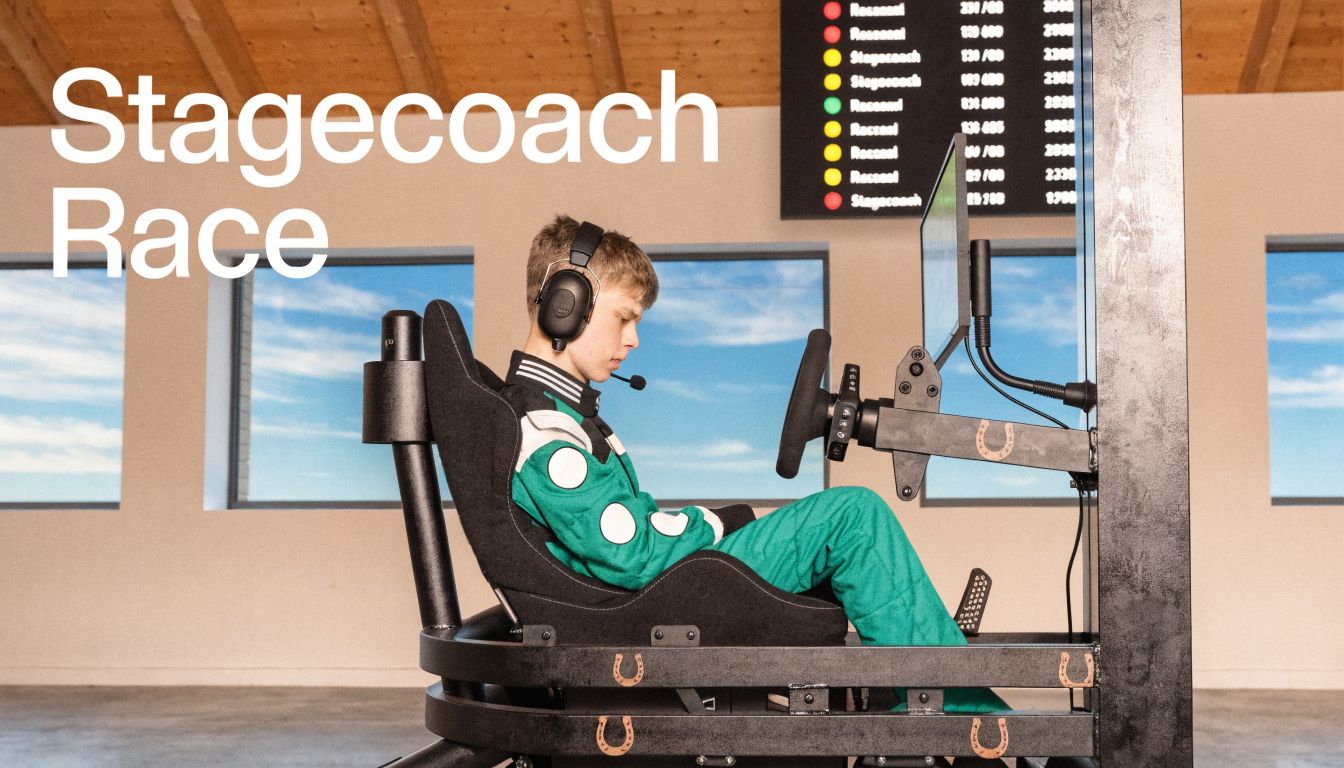
If you want cowboy theme parties to feel current, not nostalgic-for-nostalgia's-sake, this is one of the cleanest ways to do it. Racing simulators already create queue-worthy energy. Add a Western frame, and the concept becomes a frontier pursuit, outlaw escape, or cross-territory challenge instead of a generic driving station.
The key is committing to the narrative lightly but consistently. You don't need cartoon graphics everywhere. A strong event host, themed naming, branded leaderboard, and matching sound cues are often enough to sell the idea.
Why this format works in corporate settings
Sim racing has a built-in advantage. It's competitive, spectator-friendly, and easy to brand. Guests who don't want to drive can still watch lap attempts, track rankings, and talk strategy. That makes it stronger than many single-user attractions that isolate the participant from everyone else.
For planners looking at specialist setups, UK racing simulator hire gives you a sense of how multi-rig competition formats can be staged for exhibitions, conferences, and hospitality events.
- Offer a short onboarding round: A quick familiarisation session keeps novices from feeling intimidated.
- Use multiple win conditions: Fastest time, best team average, and most improved player all broaden participation.
- Place the leaderboard visibly: If the scoreboard is hidden, repeat play drops.
This format is especially relevant because only a small share of themed party content talks about simulator integration at all, despite demand for interactive tech continuing to grow in UK corporate events, as noted earlier in the BVEP research. That gap gives planners a chance to produce cowboy theme parties that feel fresher than the usual saloon-and-selfie formula.
Best use cases
I'd use this for exhibition stands, internal competitions, product launches, and networking events where you need a visible crowd magnet. It also works at venues like Silverstone, where the technology and setting naturally reinforce each other.
What doesn't work is pushing realism so hard that casual guests disengage. Keep the challenge sharp, but the entry point friendly.
6. Gold Rush Mining and Fortune-Seeking Game Zones
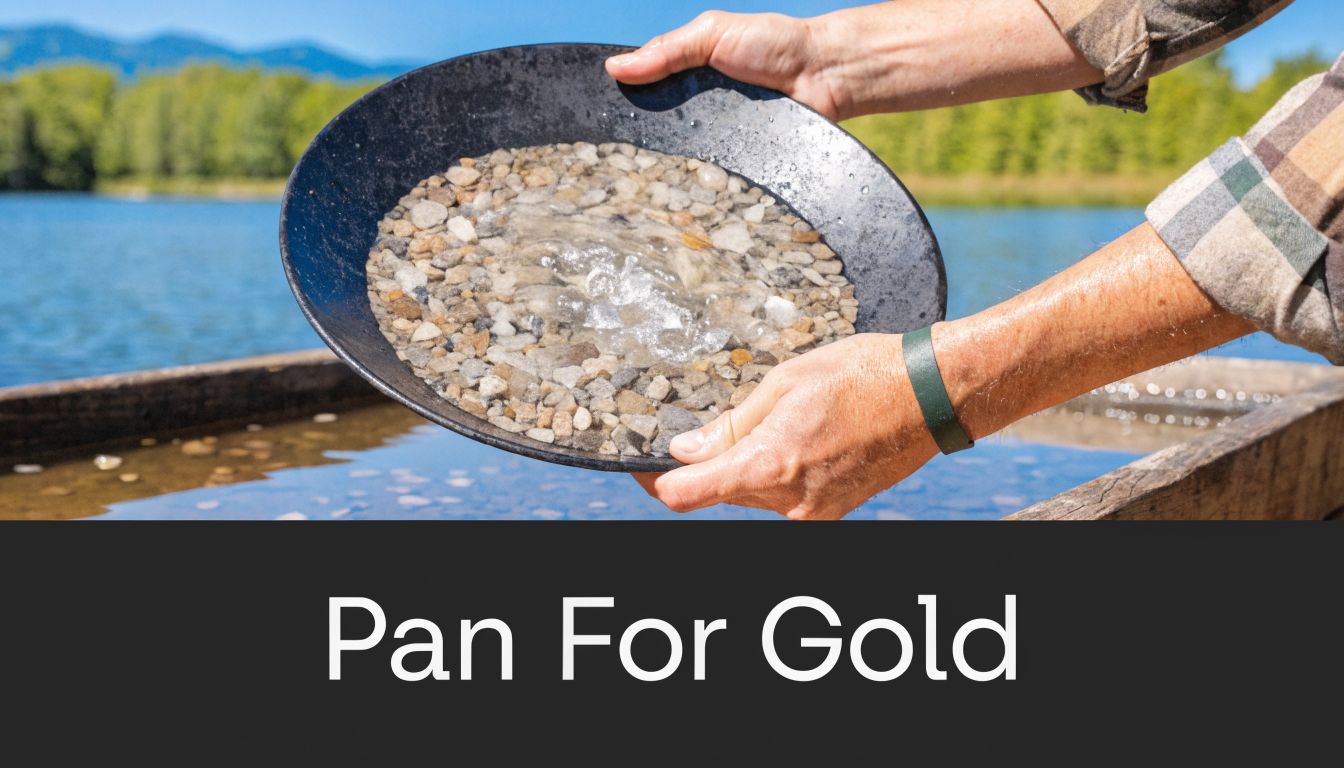
A gold rush zone is useful when the audience is broad. Families, exhibition visitors, festival crowds, and mixed corporate guest lists all respond well to activities that are easy to understand and quick to join. The format is less intimidating than a high-stakes competition and more active than passive entertainment.
The strongest version feels like a game economy, not a loose collection of props. Guests collect tokens, complete tasks, access a higher-value station, or enter a final prize draw. That gives the zone a sense of progression, which is what keeps people circulating rather than playing one game and leaving.
Build layers of reward
Physical panning stations, wheel spins, dig-box discoveries, and clue-led treasure hunts all work. What lifts the experience is when those stations connect to something larger, such as a branded currency, a tiered challenge card, or a final “bank” redemption moment.
A family day might keep that simple. A corporate activation can make it smarter with branded checkpoints, data capture points, or product discovery tasks.
For styling ideas outside the corporate context, the latest from California Cowboy shows how strongly the gold-rush visual language still resonates when it's handled with confidence.
- Create a visible objective: People engage faster when they know what they're trying to earn.
- Vary the challenge intensity: Include low-skill, high-fun stations alongside more involved tasks.
- Staff the zone properly: Attendants drive tempo, explain mechanics, and keep the atmosphere lively.
Where planners get it wrong
They make it too childlike or too random. A corporate audience will play simple games, but they still want the environment to look considered. Good scenic signage, strong costume styling, and a coherent prize mechanic make a huge difference.
This format also benefits from photo opportunities. A “gold vault” reveal, oversized nugget prop, or wanted-poster booth gives guests a reason to share the experience after they've played.
7. Cowboy Casino and Gaming Lounge
A Western casino lounge gives cowboy theme parties a more adult, premium edge. It's especially good for hospitality events where conversation matters as much as spectacle. Guests can settle in, interact naturally, and stay engaged without needing to perform in front of a crowd.
The mood should feel closer to an upscale saloon than a novelty gambling corner. Think timber, warm lighting, card tables, low-stage music, and a drinks list that complements the room. If the event gets that balance right, the casino becomes both an activity and a social environment.
Keep the gaming responsible and corporate-friendly
For most business events, play money or themed chips are the safer route. It avoids legal complexity and keeps the tone squarely in entertainment territory. You can still create tournament structures, prize moments, and table rivalries without introducing actual betting.
If you need specialist tables and event-ready presentation, casino table hire for events is the sort of service that helps the lounge feel intentional rather than improvised.
Guests stay longer when the tables are part of a wider social lounge, not parked as a standalone sideline activity.
There's also a practical advantage for UK planners dealing with indoor venues and weather constraints. A saloon-style casino setup adapts well to indoor corporate spaces, and casino tables can stand in for “saloon gambling” when outdoor rodeo-style plans aren't viable. That's one reason weather-proof cowboy formats remain useful in the UK market.
Make it more than blackjack in hats
The room needs layers. Add a hosted poker tournament, a prize draw tied to chip totals, or parallel non-gaming options such as whiskey sampling, live music, or Batak Pro. That protects inclusivity and stops the lounge from feeling one-note.
For inspiration on how treasure and gaming themes can support a challenge mechanic, Smokey Rebel's guide to Aztec Gold is a useful contrast point. The lesson is simple. People enjoy games more when there's a clear stake, progression, or reveal.
What doesn't work is making gambling aesthetics the entire concept. In cowboy theme parties, the casino should support the world, not replace it.
8. Interactive Cowboy Story and Virtual Adventure Experience
Some events need a stronger narrative spine. When the audience includes senior clients, mixed teams, or brand guests who've seen a lot of standard activations, story-led design can make the whole evening feel more purposeful.
A virtual Western adventure works best when the story unfolds through stations. One group tracks fugitives through VR. Another takes a motion-based escape challenge. Another solves a clue that changes where they go next. The experience becomes a sequence instead of a queue.
Let the technology serve the story
Planners can get carried away in this context. VR, motion sims, and interactive decision points are compelling, but only if the guest understands why they're doing them. The story must remain simple enough to follow under event conditions.
Good prompts include escorting a frontier delivery, defending a settlement, tracing a stolen cache, or escaping an outlaw ambush. Those are easy to explain in one sentence and flexible enough to support multiple activity types.
Here's an example of the kind of immersive simulator footage that can support a more cinematic activation:
Design for throughput, not just immersion
A beautiful story concept can still fail if only a few guests can experience it each hour. That's why I'd avoid making the whole event dependent on one single-user headset moment. Better to combine tech attractions with clue stations, actor touchpoints, and visible score progress so more people stay engaged.
- Use parallel stations: Multiple pathways keep queues manageable.
- Keep briefings short: Long preambles kill momentum.
- Reward decisions visibly: Guests should feel the story responding to them.
This format works well for premium team building, conference evening entertainment, and branded experiences where memorability matters more than pure volume. It's less suited to drop-in exhibition traffic unless the narrative is heavily simplified.
9. Frontier Justice Trial and Courtroom Theatre Experience
Not every cowboy event needs games. Sometimes the most effective entertainment is a structured social experience with humour, audience participation, and a strong MC. A mock frontier trial does exactly that.
It's particularly useful when you need guests talking to each other. Networking dinners, conference socials, and client evenings often benefit more from guided interaction than from full physical competition. The courtroom setup gives people a shared subject quickly, and that breaks the ice far better than passive background entertainment.
Use audience participation with care
This format lives or dies on tone. If the script is too broad, it becomes cheesy. If the audience pressure is too high, people withdraw. The sweet spot is a confident cast, a light-touch script, and enough planted moments to keep the room moving without relying on volunteers to save the show.
A few guests can be pre-briefed as witnesses or “locals”. Everyone else can serve as jury, vote on verdicts, or contribute evidence cards from their tables.
- Keep the stakes playful: The accused should be in on the joke unless the brief specifically calls for surprise.
- Write for the audience in front of you: Internal corporate references can work, but only when they're warm and recognisable.
- Limit the runtime: A tight set beats a rambling improv session.
The trial works because guests can participate from their seats. That makes it ideal for audiences who want interaction without physical pressure.
Best environment for this concept
This lands well during dinner service, after dessert, or as a branded conference breakout with theatrical flair. It can also pair nicely with a saloon drinks reception beforehand, so the courtroom feels like the next chapter rather than a disconnected segment.
What doesn't work is under-rehearsed talent. This is one of those ideas that sounds simple on paper and falls apart instantly if the performers can't read the room.
10. Western Heritage Museum and Educational Exhibition Experience
A heritage-led format gives cowboy theme parties more depth. It shifts the event away from pure fancy dress energy and toward storytelling, craft, and cultural detail. That can be useful for museums, educational institutions, heritage brands, and corporate clients who want the event to feel intelligent as well as entertaining.
The challenge is avoiding a static display. Guests still need movement, interaction, and enough live interpretation to make the content feel present.
Blend authenticity with live experience
A good heritage setup might include blacksmithing demonstrations, leatherworking, historical costume interpretation, replica artefacts, and hands-on stations. Technology can support that rather than compete with it. VR can place guests in a frontier town. A motion simulator can reframe travel hardship. A simple touchscreen can decode objects or routes.
The biggest planning question is authenticity. If the history matters, bring in specialists who can shape the content and catch the clichés before they land on site.
This suits thoughtful brand storytelling
I'd use this for venues, exhibitions, public programming, or corporate heritage events where the audience wants more than a party. It also works as a daytime-to-evening model. Start with exhibition-style engagement, then transition into hospitality or performance later.
There's a timely cultural hook here too. Following Beyoncé's Cowboy Carter, Eventbrite UK reported a 29% spike in Cowboy Carter-inspired events in May 2025, and the album saw 2.2 million UK streams in its first month according to Official Charts and Eventbrite UK. That doesn't mean every event should become pop-Western, but it does show how receptive UK audiences currently are to refreshed Western styling.
For corporate planners, that opens an interesting option. You can build a heritage-rooted event, then add contemporary styling cues, music, and design references so the experience feels informed by culture rather than stuck in the past.
Cowboy Theme Parties: 10-Point Comparison
| Concept | Implementation complexity 🔄 | Resource requirements ⚡ | Expected outcomes 📊 | Ideal use cases 💡 | Key advantages ⭐ |
|---|---|---|---|---|---|
| Wild West Saloon Experience with Interactive Gaming | Medium–High: themed decor plus simulator integration | Significant: large floor plan, staff, power/AV, simulators | High engagement and memorable social content | Corporate socials, private parties, brand activations | Immersive atmosphere blending live performance with interactive tech |
| Cowboy Skills Challenges and Competitions | Medium: multiple stations and scoring systems | Moderate: trained staff, leaderboards, varied equipment | Measurable participation, competitive team bonding | Team-building, corporate tournaments, exhibitions | Quantifiable engagement with inclusive difficulty tiers |
| Themed Dinner and Entertainment Production | High: coordinated catering, performers, pacing | Extensive: catering, actors, AV, venue facilities | Premium guest experience with strong client ROI | Luxury corporate entertaining, client appreciation dinners | High-impact, sophisticated evening experience |
| Outdoor Frontier Camp Experience | High: logistics, permits, multi-day planning | Large: land, accommodation, infrastructure, safety teams | Deep immersion, sustained engagement, team bonding | Overnight retreats, multi-day corporate off-sites | Unique multi-sensory retreat and strong bonding outcomes |
| Western-Themed Racing and Simulator Competition Series | Medium–High: technical setup and race formats | Significant: professional simulators, power/cooling, operators | High measurable engagement and data capture; scalable | Tech-forward corporate events, fan zones, activations | Core simulator expertise; proven ROI and scalability |
| Gold Rush Mining and Fortune-Seeking Game Zones | Low–Medium: modular setups and prize systems | Moderate: booth modules, staff, optional VR, prizes | Broad appeal, high footfall, family-friendly engagement | Exhibitions, festivals, family fun days, product launches | Low barrier to entry, flexible budget and scalable design |
| Cowboy Casino and Gaming Lounge | Medium–High: licensing and compliance needs | Significant: casino tables, trained dealers, regulatory oversight | Extended dwell time; premium client engagement | VIP hospitality, executive entertaining, brand lounges | Premium positioning that drives social interaction and dwell time |
| Interactive Cowboy Story and Virtual Adventure Experience | Very High: narrative design and custom tech integration | High: VR/motion platforms, custom content, technical crew | Extremely engaging with strong emotional impact and analytics | Premium team-building, immersive brand activations, launches | Highly personalised, high perceived value and shareability |
| Frontier Justice Trial and Courtroom Theater Experience | Medium: script, rehearsal, production values | Moderate: professional actors, production crew, sound/lighting | High audience participation and memorable discussion moments | Conference entertainment, networking events, team-building | Unique conversation-starting format with strong engagement |
| Western Heritage Museum and Educational Exhibition Experience | High: curation, research and exhibit production | Extensive: artifacts, interpreters, exhibit builds, VR stations | Educational impact, long dwell time, CSR and credibility gains | Museums, corporate heritage events, educational programs | Authenticity and lasting informational value with immersive options |
Bringing Your Western Vision to Life
The best cowboy theme parties work because they balance contrast well. They give guests something familiar, then deliver it in a way they didn't expect. Rustic styling meets polished production. Easy-to-read themes meet high-tech interaction. Nostalgia meets measurable engagement. That combination is what turns a themed event from pleasant background noise into something people remember.
For corporate audiences, execution matters more than concept. A cowboy brief is forgiving at the idea stage because almost everyone can picture it. It becomes demanding once budgets, stakeholders, venue rules, H&S requirements, and mixed guest expectations come into play. That's usually where weaker events start to slip. The decor arrives, but the timing doesn't. The hero attraction looks good, but throughput is poor. The theme is obvious, but the guest journey isn't.
The strongest approach is to build from audience behaviour first. Ask what the room needs people to do. Compete, network, stay longer, move through zones, learn something, or create branded content. Once that's clear, the Western layer becomes much easier to design well. A saloon supports conversation. Skills circuits support team bonding. Simulator tournaments support repeat play and visible excitement. A narrative build supports premium immersion. A casino lounge supports dwell time. Each format does a different job.
That's also why modern entertainment deserves a bigger place in cowboy event planning than it usually gets. Too much content in this category still assumes the answer is barrels, checked tablecloths, and a mechanical prop or two. Those details still have value, but they're not enough for many corporate briefs. Interactive attractions, racing simulators, VR experiences, Batak Pro, motion platforms, and electronic leaderboards can all sit comfortably inside a Western world when they're framed properly. In many cases, they make the event more inclusive because they create multiple ways to join in.
UK conditions add another layer of realism. Weather, venue logistics, access windows, and compliance all shape what's practical. An outdoor frontier camp might sound ideal, but the event still needs a weather-proof operational core. A saloon might look simple, but it still needs power planning, staffing, and flow management. A simulator competition might feel plug-and-play, but it still depends on the right footprint, briefing, and on-site support. The point isn't to strip out creativity. It's to protect it with competent delivery.
That's where working with a specialist operator helps. PSW Events brings together planning, branding, installation, staffing, interactive attractions, and H&S support under one roof. For organisers, that matters because themed events often fail at the handoff points between suppliers. When the entertainment, logistics, and operational planning are aligned from the start, the event feels tighter, calmer, and more professional on the day.
If you want cowboy theme parties that do more than look the part, build the experience around participation. Give guests a reason to stay curious, move through the space, and talk about what they've done. That's where the true value is.